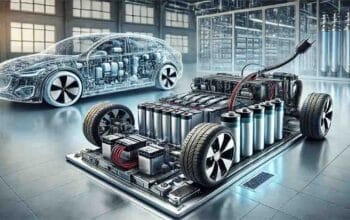
Wansagaf Indonesia (WIN) – The automotive industry is undergoing a profound transformation, with electric vehicles (EVs) at the forefront of this evolution. As governments worldwide push for greener transportation solutions and consumers increasingly demand sustainable alternatives, the future of electric vehicles is bright yet complex.
This article explores the emerging trends, challenges, and opportunities that shape the landscape of electric mobility.
Current State of the Electric Vehicle Market
The global electric vehicle market has experienced exponential growth in recent years. According to the International Energy Agency (IEA), the number of electric cars on the road reached over 10 million in 2021, representing a 54% increase from the previous year. This surge is driven by advancements in battery technology, increased availability of charging infrastructure, and supportive government policies aimed at reducing carbon emissions.
Table 1: Global Electric Vehicle Sales Growth (2020-2023)
| Year | Global EV Sales (millions) | Market Share (%) |
|---|---|---|
| 2020 | 3.24 | 4.2 |
| 2021 | 6.75 | 9.5 |
| 2022 | 10.5 | 14.6 |
| 2023 | 14.5 (Projected) | 19.5 |
Source: International Energy Agency (IEA)
Key Trends Shaping the Future of Electric Vehicles
1. Advancements in Battery Technology
Battery technology is a critical factor influencing the growth of electric vehicles. Ongoing research and development are leading to innovations that enhance battery performance, reduce costs, and improve sustainability. Key advancements include:
- Solid-State Batteries: These batteries promise higher energy densities and improved safety compared to traditional lithium-ion batteries. With energy densities potentially reaching 500 Wh/kg, solid-state batteries could extend the range of EVs significantly.
- Recycling and Second-Life Applications: As EV adoption increases, so does the need for efficient recycling methods. Companies are developing technologies to recycle battery materials, reducing environmental impact and promoting circular economy practices.
- Lower Costs: The cost of lithium-ion batteries has dropped significantly over the past decade, from around $1,200 per kWh in 2010 to approximately $132 per kWh in 2021. Continued cost reductions will make EVs more affordable and accessible.
2. Expansion of Charging Infrastructure
A robust charging infrastructure is essential for the widespread adoption of electric vehicles. Key developments in this area include:
- Increased Charging Stations: The number of public charging stations is projected to grow significantly. As of 2023, there are approximately 63,000 public charging stations in the U.S., and this number is expected to double by 2030.
- Fast Charging Technology: Advances in fast-charging technology are making it possible to recharge EVs quickly. New chargers capable of delivering up to 350 kW will allow drivers to gain 100 miles of range in just 10 minutes.
- Home Charging Solutions: More consumers are opting for home charging solutions, with various charging options becoming available to accommodate different needs and budgets.
Table 2: Projected Growth of Charging Stations in the U.S. (2023-2030)
| Year | Total Charging Stations | Fast Charging Stations |
|---|---|---|
| 2023 | 63,000 | 14,000 |
| 2025 | 85,000 | 25,000 |
| 2030 | 150,000 | 40,000 |
Source: U.S. Department of Energy
3. Government Policies and Incentives
Government initiatives play a pivotal role in promoting electric vehicle adoption. Various countries are implementing policies to support the growth of the EV market, including:
- Incentives and Subsidies: Many governments offer financial incentives, such as tax credits and rebates, to encourage consumers to purchase electric vehicles.
- Emissions Regulations: Stricter emissions standards are pushing automakers to accelerate their transition to electric vehicles. For instance, California aims to ban the sale of new gasoline vehicles by 2035.
- Investment in Infrastructure: Governments are investing heavily in charging infrastructure to create a more accessible and convenient environment for EV owners.
Challenges Facing the Electric Vehicle Industry
Despite the positive outlook, several challenges must be addressed to ensure the continued growth of the electric vehicle market.
1. Range Anxiety
Range anxiety, the fear of running out of battery power before reaching a charging station, remains a significant barrier to EV adoption. While advancements in battery technology are extending range, educating consumers about the actual range of modern EVs and expanding charging infrastructure is critical.
2. Raw Material Supply Chain
The increasing demand for electric vehicles raises concerns about the availability of key raw materials, such as lithium, cobalt, and nickel, required for battery production. The industry must develop sustainable sourcing practices and invest in recycling initiatives to secure a stable supply chain.
3. Charging Infrastructure Disparities
While urban areas may enjoy a dense network of charging stations, rural and underserved areas often lack access to reliable charging infrastructure. Addressing this disparity is essential for ensuring equitable access to electric vehicle charging across regions.
4. High Upfront Costs
Although the total cost of ownership for electric vehicles can be lower than that of gasoline vehicles, the initial purchase price remains a barrier for many consumers. Continued efforts to reduce battery costs and increase affordability will be necessary to make EVs accessible to a broader audience.
Opportunities in the Electric Vehicle Market
Despite these challenges, numerous opportunities exist in the electric vehicle market.
1. Expansion of EV Models
Automakers are increasingly offering a wider range of electric vehicles, including sedans, SUVs, trucks, and commercial vehicles. This diversification caters to various consumer preferences and expands the market.
2. Integration with Renewable Energy
Electric vehicles can be integrated with renewable energy sources, such as solar and wind, to create a more sustainable transportation ecosystem. Homeowners with solar panels can charge their EVs with clean energy, reducing their carbon footprint.
3. Growth of EV Carsharing and Mobility Solutions
The rise of car-sharing services and mobility solutions presents an opportunity for electric vehicles to be part of integrated transportation systems. These services can increase EV utilization and reduce the number of vehicles on the road.
4. Technological Innovations
The future of electric vehicles will likely be shaped by technological innovations, including autonomous driving, vehicle-to-grid (V2G) systems, and smart charging solutions that optimize energy consumption.
Conclusion
The future of electric vehicles is promising, driven by advancements in technology, supportive government policies, and increasing consumer awareness. However, challenges such as range anxiety, raw material supply, and infrastructure disparities must be addressed to ensure the continued growth of the EV market.
By embracing the opportunities presented by this transformation, stakeholders can help create a sustainable and equitable transportation ecosystem for all.