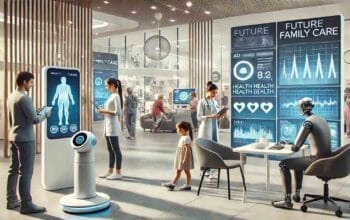
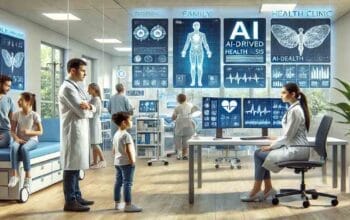
Wansagaf Indonesia (WIN) – In today’s fast-paced world, families face increasing demands from work, school, and personal responsibilities. Maintaining a strong support system has become essential for managing the health and wellbeing of all family members. This is where family care centers come into play.
These centers provide comprehensive health services tailored to address the diverse needs of every family member, from pediatric to geriatric care. With a growing number of families seeking holistic solutions for their health needs, family care centers have emerged as crucial hubs offering medical, psychological, and even social support under one roof.
The Importance of Family Care Centers
Family care centers are designed to be a one-stop shop for families, providing services such as primary care, mental health counseling, nutrition support, and more. They often offer preventive care, treatment of chronic conditions, vaccinations, and health screenings, ensuring that each family member receives the right care at the right time.
One of the greatest advantages of family care centers is their focus on the continuity of care. Since these centers often maintain long-term relationships with patients, doctors can closely monitor family health trends and make more personalized treatment decisions. For instance, a family care center may track a child’s immunization schedule or help manage a parent’s chronic condition like diabetes.
Moreover, family care centers are beneficial for handling family health dynamics. These centers typically operate with a team of professionals who are trained to work with patients of all ages. This team-based approach ensures that everyone from toddlers to seniors can get the care they need in one location.
Core Services Provided by Family Care Centers
Family care centers offer a wide range of services, making them ideal for families with various medical needs. Here’s a breakdown of the core services typically offered:
- Pediatric Care: Routine check-ups, vaccinations, and health monitoring for infants, toddlers, and young children. Pediatricians are trained to spot developmental delays and provide guidance on nutrition, growth, and mental health for children.
- Women’s Health: Services range from prenatal care to gynecological exams. Family care centers may offer fertility counseling, pregnancy care, and postpartum support, making them a crucial resource for expectant mothers.
- Chronic Disease Management: Family care centers help in the management of chronic diseases like diabetes, hypertension, and asthma. Physicians at these centers create long-term care plans, providing ongoing education and support to manage symptoms effectively.
- Mental Health Services: Counseling and mental health assessments are also common offerings. Given the rise of mental health awareness, family care centers are becoming a safe place for people to receive mental health support, which includes therapy for anxiety, depression, and stress management.
- Preventive Health Services: Early detection of diseases through screenings and vaccinations is crucial in preventing long-term health problems. Family care centers offer cancer screenings, cholesterol checks, and blood pressure monitoring to ensure that health issues are caught early.
Family Care Centers and Community Health Impact
Family care centers don’t just impact individual families—they also play a vital role in improving overall community health. By providing comprehensive services in underserved areas, these centers make healthcare accessible to populations that might otherwise go without. This includes low-income families, non-English-speaking households, and those without easy access to specialized healthcare.
In addition, many family care centers work in partnership with local schools, community centers, and governmental organizations to deliver educational programs focused on nutrition, fitness, and mental health awareness. This collective approach strengthens community wellbeing and reduces the long-term burden on the healthcare system.
For instance, community partnerships may result in the creation of support groups for parents of children with special needs or diabetes education workshops. This outreach fosters a sense of community and enables families to connect and share resources.
Data on Family Care Center Utilization in the U.S.
To better understand the role of family care centers in the healthcare landscape, consider the following data:
| Family Care Center Statistics in the U.S. | Data (2023) |
|---|---|
| Number of Family Care Centers | 7,800 |
| Average Number of Patients Per Year | 25 million |
| Percentage of Families Using Family Care Centers | 40% |
| Increase in Telehealth Services Since 2020 | 35% |
| Percentage of Low-Income Families Utilizing Services | 55% |
Source: National Association of Community Health Centers (NACHC), 2023
As shown, family care centers serve a significant portion of the U.S. population, especially in underserved areas. The increasing adoption of telemedicine also highlights the growing accessibility of these services.
Why Family Care Centers Are the Future of Healthcare
As healthcare evolves, there is an increasing shift toward integrated care models that emphasize convenience, accessibility, and comprehensive treatment. Family care centers stand at the forefront of this transformation. According to the American Academy of Family Physicians (AAFP), the focus on whole-family care aligns with current trends in population health management, where providers aim to treat the entire patient, rather than just addressing isolated symptoms.
This integrated model not only helps in addressing physical health but also provides holistic support that encompasses mental, emotional, and even social care. For example, when a child is diagnosed with a chronic illness, family care centers can provide counseling for both the child and the parents, ensuring that the emotional stress is managed along with the physical symptoms.
Moreover, the accessibility of family care centers is another reason for their rising popularity. In rural and underserved urban areas, family care centers often become the primary healthcare provider, offering essential services to communities that may lack hospitals or specialty clinics.
The Role of Technology in Family Care Centers
The adoption of technology is another major trend driving the growth of family care centers. With the rise of telemedicine, these centers are now able to offer virtual consultations, making healthcare more accessible for families that may struggle to attend in-person appointments. Telemedicine is especially beneficial for families living in remote areas, allowing them to consult specialists without the need for travel.
Furthermore, family care centers are increasingly adopting electronic health records (EHRs) to streamline patient care. With EHRs, healthcare providers can easily access a family’s medical history, track progress over time, and collaborate more effectively with other specialists.
For example, if a child receives care from a pediatrician, but the mother also sees a gynecologist within the same center, both doctors can coordinate care using the same system. This helps in avoiding medical errors, ensuring consistent care, and keeping all family members’ health records in one easily accessible place.
Choosing the Right Family Care Center: Factors to Consider
When choosing a family care center, there are several factors that families should consider to ensure that they receive the best care possible:
- Location: Proximity to home or work is important, as regular visits may be necessary for managing chronic conditions or receiving preventive care.
- Range of Services: It’s essential to choose a center that offers comprehensive services, from pediatric to adult care, as well as mental health and wellness programs.
- Insurance Compatibility: Make sure the family care center accepts your health insurance or offers affordable self-pay options.
- Staff Expertise: Look for centers with a multidisciplinary team, including family physicians, pediatricians, mental health counselors, and nutritionists.
- Patient Reviews and Reputation: Online reviews, as well as word-of-mouth recommendations, can provide insight into the quality of care a center provides.
Conclusion: The Growing Need for Family Care Centers in the U.S.
As healthcare costs continue to rise and families seek more accessible and integrated care, family care centers represent a key solution to these challenges. They provide a comprehensive approach that addresses the diverse needs of all family members, from newborns to seniors.
Whether through preventive care, chronic disease management, or mental health support, family care centers are well-positioned to become the future of healthcare in America.
As families continue to look for ways to simplify their healthcare experiences and build lasting relationships with their providers, the demand for family care centers is only expected to grow.