Wansagaf Indonesia (WIN) – In the rapidly evolving landscape of healthcare, technology is playing a transformative role in reshaping how family care centers operate. As family care centers aim to provide comprehensive, patient-centered care, innovations such as telemedicine, wearable health devices, electronic health records (EHRs), and artificial intelligence (AI) are helping these facilities deliver more efficient, accessible, and personalized care to families across the U.S.
In this article, we explore how these technologies are influencing the future of family care centers and improving the overall patient experience.
The Integration of Telemedicine in Family Care Centers
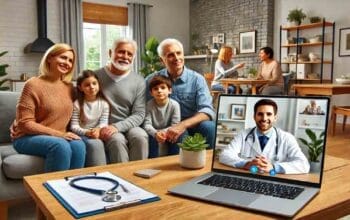
One of the most significant technological advancements in recent years has been the rise of telemedicine, which allows healthcare providers to consult with patients remotely via video or phone calls. This technology has been particularly beneficial for family care centers, where patients range from young children to elderly adults, each with unique healthcare needs.
The integration of telemedicine into family care centers is not just about convenience—it’s also about increasing access to care. Families with busy schedules, individuals in rural areas, or those with mobility challenges can now access healthcare services from their homes.
A survey conducted by the American Telemedicine Association found that 70% of family care centers in the U.S. now offer telemedicine services, allowing families to access healthcare professionals for consultations, follow-ups, and even chronic disease management without leaving their homes.
For example, telemedicine can streamline follow-up care for patients managing chronic illnesses like diabetes or asthma. Rather than making frequent trips to a clinic, patients can check in with their doctors virtually to review their treatment plans, monitor their progress, and make necessary adjustments.
Electronic Health Records: A Game Changer for Continuity of Care
Electronic Health Records (EHRs) have revolutionized the way medical information is stored, shared, and accessed, making it easier for healthcare providers to deliver high-quality, coordinated care. Family care centers are particularly well-suited to benefit from EHRs, as they often handle a wide range of services for all family members, from pediatric to geriatric care.
With EHRs, a family care center can store all patient data in one secure, digital system, allowing physicians and specialists to collaborate more effectively. For example, if a parent is being treated for high blood pressure, and their child needs pediatric care, both doctors can access family health history through the same EHR system, improving the continuity of care and reducing the likelihood of medical errors.
In addition to streamlining coordination between different healthcare providers, EHRs also allow patients to have better access to their own health information. Many family care centers now offer patient portals where individuals can view their medical records, schedule appointments, and communicate with their healthcare providers.
This increased transparency empowers patients to take a more active role in managing their own health and the health of their family members.
Wearable Health Devices: Real-Time Monitoring and Personalized Care
Wearable health devices, such as fitness trackers, smartwatches, and even specialized medical devices, are becoming an increasingly important tool for family care centers. These devices allow healthcare providers to monitor patients’ health in real time, providing valuable data that can inform treatment decisions and enable early interventions.
For example, a patient with hypertension may use a wearable blood pressure monitor that tracks their readings throughout the day. This data can be shared directly with the patient’s healthcare provider, who can then make adjustments to the treatment plan as needed.
For families managing chronic conditions such as diabetes or heart disease, this real-time monitoring can lead to better health outcomes by catching issues early and enabling more personalized care.
Wearable devices are also valuable for promoting preventive care. Many family care centers now encourage patients to use fitness trackers or smartwatches to monitor their physical activity, sleep patterns, and heart rate.
By promoting healthier lifestyle choices and providing feedback based on individual data, wearable devices can help prevent chronic diseases and improve overall health.
Artificial Intelligence in Family Care Centers: Enhancing Diagnosis and Treatment
Artificial intelligence (AI) is rapidly making its way into family care centers, where it is being used to improve both the diagnosis and treatment of patients. AI algorithms can analyze vast amounts of patient data and medical records to detect patterns, identify risks, and provide recommendations for treatment.
One of the most promising applications of AI in family care is its use in diagnostics. AI-powered systems can analyze medical images, such as X-rays or MRIs, to identify conditions like tumors, fractures, or infections with a high degree of accuracy. This can help doctors make faster, more accurate diagnoses and reduce the likelihood of misdiagnosis.
AI can also be used to predict patient outcomes based on health trends. For example, AI can help family care centers identify patients who are at high risk of developing chronic conditions like diabetes or heart disease, allowing for early interventions that can prevent these conditions from worsening.
By analyzing data such as family history, lifestyle choices, and genetic markers, AI systems can create personalized care plans that are tailored to each patient’s unique needs.
Another area where AI is making an impact is in patient triage and workflow optimization. AI-powered virtual assistants are increasingly being used in family care centers to help schedule appointments, send reminders, and triage patients based on the severity of their symptoms. This technology helps streamline administrative tasks, allowing healthcare providers to focus more on patient care.
The Future of Family Care: A Fully Integrated System
As technology continues to advance, the future of family care centers looks bright. We are moving towards a fully integrated system where telemedicine, wearable devices, EHRs, and AI work together to deliver seamless, patient-centered care. Here’s a glimpse of what the future might look like:
- Remote Monitoring and Virtual Consultations: Patients will be able to monitor their health in real time using wearable devices and share this data with their healthcare providers through secure online platforms. Virtual consultations will become the norm, reducing the need for in-person visits unless absolutely necessary.
- AI-Driven Personalized Treatment Plans: With AI analyzing health data, family care centers will be able to offer more personalized and preventive care. Treatment plans will be tailored to each patient’s genetic profile, lifestyle, and health history, resulting in better health outcomes.
- Improved Access for Underserved Communities: Technology will play a crucial role in expanding access to healthcare for underserved communities, particularly in rural areas. Telemedicine and mobile health applications will make it easier for families in remote locations to receive care, while AI-driven systems can help identify and address health disparities.
Conclusion: Technology’s Impact on Family Care Centers
Technology is reshaping the future of family care centers, making healthcare more accessible, efficient, and personalized. From the rise of telemedicine and wearable health devices to the integration of AI and EHRs, these innovations are helping family care centers provide high-quality, comprehensive care to patients of all ages.
As these technologies continue to evolve, family care centers will be better equipped to address the diverse needs of families, ensuring that every member receives the care they need—whether it’s preventive services, chronic disease management, or mental health support. The future of family care is digital, and it’s transforming healthcare for the better.