Wansagaf Indonesia (WIN) – The automotive industry has undergone a significant transformation over the past century, with a notable shift from traditional combustion engines to electric vehicles (EVs).
This evolution is not just about changing the type of fuel used; it involves a complete overhaul of the parts and technologies that make up vehicles. Understanding this evolution is crucial for automotive enthusiasts, mechanics, and consumers alike.
In this article, we will explore the development of automotive parts from the era of combustion engines to the rise of electric vehicles, highlighting key components and innovations that have shaped the industry.
The Age of Combustion Engines
1. Historical Context
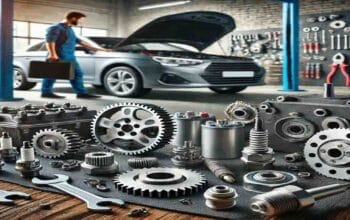
The internal combustion engine (ICE) has been the dominant power source for automobiles since the late 19th century. Initially, vehicles relied on simple designs, but as demand for performance and reliability increased, the complexity of engine components grew. Key parts of the combustion engine include:
- Cylinders: These house the pistons that convert fuel into mechanical energy.
- Pistons: Moving within the cylinders, pistons compress the air-fuel mixture, igniting it to produce power.
- Crankshaft: This converts the linear motion of the pistons into rotational motion, driving the wheels.
- Fuel System: Comprising fuel tanks, pumps, and injectors, this system delivers fuel to the engine for combustion.
- Exhaust System: This directs exhaust gases away from the engine and reduces harmful emissions through components like catalytic converters and mufflers.
These parts were engineered for performance and efficiency, but they also presented challenges such as emissions, fuel consumption, and mechanical failures.
2. Challenges and Innovations
As the automotive industry expanded, so did concerns about the environmental impact of combustion engines. The quest for better fuel efficiency and lower emissions led to numerous innovations, including:
- Turbocharging: This technology increases engine power without significantly increasing size, enhancing fuel efficiency.
- Variable Valve Timing (VVT): This innovation optimizes engine performance by adjusting the timing of valve openings and closings based on driving conditions.
- Hybrid Systems: Combining ICE with electric motors, hybrid vehicles emerged as a bridge between traditional combustion engines and fully electric vehicles, offering improved fuel efficiency and reduced emissions.
The Rise of Electric Vehicles
1. Introduction of Electric Vehicles
Electric vehicles have been around for more than a century, but they gained significant traction in the 21st century due to advancements in battery technology and growing environmental concerns. The transition to EVs is marked by a shift in the automotive parts landscape:
- Electric Motors: Unlike combustion engines, EVs use electric motors to drive the wheels. These motors are simpler, more efficient, and produce instant torque, enhancing acceleration.
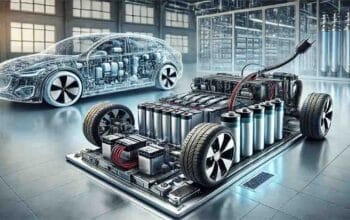
- Battery Packs: The heart of an electric vehicle, battery packs store energy to power the motor. Innovations in lithium-ion battery technology have dramatically increased energy density, range, and charging speed.
- Regenerative Braking Systems: This technology recovers energy during braking and converts it back into electricity, improving efficiency and extending range.
- Thermal Management Systems: EVs require efficient cooling systems to manage the temperature of batteries and motors, ensuring optimal performance and longevity.
2. Key Differences in Automotive Parts
The shift from combustion engines to electric vehicles represents a fundamental change in automotive parts:
- Fewer Moving Parts: EVs have significantly fewer moving parts compared to ICE vehicles, leading to reduced maintenance requirements and lower long-term costs.
- Complex Electronics: With the rise of electric vehicles, there has been an increased reliance on electronic components and software. This includes advanced driver-assistance systems (ADAS), infotainment systems, and vehicle-to-everything (V2X) communication technologies.
- Lightweight Materials: To enhance efficiency, manufacturers are increasingly using lightweight materials such as aluminum and carbon fiber, which reduce vehicle weight and improve range.
The Future of Automotive Parts
As the automotive industry continues to evolve, several trends are shaping the future of automotive parts:
1. Sustainable Materials
There is a growing emphasis on sustainability in automotive manufacturing. Manufacturers are exploring the use of recycled materials, bioplastics, and sustainable production methods to minimize environmental impact. This trend is likely to lead to the development of innovative parts that are not only efficient but also environmentally friendly.
2. Autonomous Vehicles
The rise of autonomous driving technology is reshaping the automotive landscape. New parts and systems are being developed to enable safe and efficient self-driving capabilities, including:
- Lidar and Radar Sensors: These components provide vehicles with the ability to perceive their environment, detecting obstacles, pedestrians, and road conditions.
- Advanced Computing Systems: Powerful processors and software algorithms are essential for processing data from various sensors and making real-time driving decisions.
3. Enhanced Connectivity
Connected vehicles are becoming the norm, enabling features such as remote diagnostics, over-the-air updates, and enhanced infotainment systems. The integration of automotive parts with advanced telecommunications and internet technologies will lead to more sophisticated and user-friendly driving experiences.
Conclusion
The evolution of automotive parts from combustion engines to electric vehicles marks a significant chapter in the history of the automotive industry. As technology continues to advance, we can expect further innovations that will enhance performance, safety, and sustainability.
Understanding these changes is essential for consumers, mechanics, and enthusiasts who want to stay informed about the future of mobility.