Wansagaf Indonesia (WIN) – As electric vehicles (EVs) gain popularity worldwide, battery technology stands at the forefront of this transformation. The efficiency, capacity, and performance of an electric vehicle largely depend on the quality of its battery system. Understanding the intricacies of battery technology is essential for consumers, manufacturers, and policymakers alike.
This article explores the impact of battery technology on electric vehicle performance, including advancements, challenges, and future trends that shape the landscape of sustainable transportation.
The Role of Batteries in Electric Vehicles
Batteries are the heart of electric vehicles, storing energy that powers the electric motor and various vehicle systems. The performance of an EV is influenced by several battery characteristics, including:
- Energy Density: This refers to the amount of energy a battery can store per unit of weight or volume. Higher energy density translates to longer driving ranges and improved overall performance.
- Charging Speed: The time it takes to charge a battery significantly affects the convenience of using an electric vehicle. Faster charging capabilities can reduce downtime and make EVs more appealing to consumers.
- Cycle Life: This term refers to the number of charge and discharge cycles a battery can undergo before its capacity diminishes significantly. Longer cycle life enhances the longevity and cost-effectiveness of electric vehicles.
- Thermal Management: Proper thermal management is essential for maintaining optimal battery performance and longevity. Effective cooling systems prevent overheating and enhance safety.
- Cost: The price of batteries significantly influences the overall cost of electric vehicles. As battery costs decrease, the affordability of EVs improves, encouraging wider adoption.
Advancements in Battery Technology
The rapid development of battery technology has been instrumental in improving electric vehicle performance. Key advancements include:
1. Lithium-Ion Batteries
Lithium-ion (Li-ion) batteries have become the dominant technology for electric vehicles due to their high energy density, efficiency, and declining costs. Over the years, several innovations have enhanced Li-ion battery performance:
- Higher Energy Density: Advances in chemistry and materials have led to Li-ion batteries with energy densities exceeding 250 Wh/kg, significantly extending the driving range of electric vehicles.
- Fast Charging Capabilities: New charging protocols and improved battery designs enable charging speeds of up to 350 kW, allowing drivers to recharge their batteries in as little as 15 minutes.
- Enhanced Safety Features: Innovations such as solid-state batteries and improved thermal management systems reduce the risk of overheating and fires, enhancing overall vehicle safety.
Table 1: Comparison of Different Battery Technologies
| Battery Type | Energy Density (Wh/kg) | Cycle Life (Cycles) | Charging Speed (kW) | Safety |
|---|---|---|---|---|
| Lithium-Ion | 150 – 300 | 500 – 1500 | Up to 350 | Moderate |
| Solid-State | 500+ | 2000+ | Potentially higher | High |
| Lithium Iron Phosphate (LFP) | 90 – 160 | 2000 – 5000 | 60 – 120 | High |
2. Solid-State Batteries
Solid-state batteries represent a promising frontier in battery technology. Unlike conventional Li-ion batteries, which use liquid electrolytes, solid-state batteries employ solid electrolytes. This innovation offers several benefits:
- Higher Energy Density: Solid-state batteries can potentially achieve energy densities of 500 Wh/kg or more, allowing for longer ranges without significantly increasing battery size.
- Improved Safety: Solid electrolytes are less flammable than liquid electrolytes, reducing the risk of thermal runaway and fires.
- Longer Lifespan: Solid-state batteries are expected to have longer cycle lives due to reduced degradation during charging and discharging.
Although solid-state batteries are still in development and face challenges related to manufacturing and cost, they hold the potential to revolutionize electric vehicle performance.
3. Lithium Iron Phosphate (LFP) Batteries
Lithium iron phosphate (LFP) batteries have gained popularity due to their inherent safety features and lower costs. While they typically offer lower energy density than traditional Li-ion batteries, their advantages include:
- Long Cycle Life: LFP batteries can undergo more charge-discharge cycles without significant capacity loss, making them suitable for applications where longevity is crucial.
- Safety: LFP batteries are less prone to overheating and combustion, enhancing overall vehicle safety.
- Cost-Effectiveness: The use of iron in LFP batteries reduces material costs, making them an attractive option for budget-conscious consumers.
LFP batteries have found applications in various electric vehicles, particularly in commercial and fleet settings.
Challenges Facing Battery Technology
While advancements in battery technology have significantly improved electric vehicle performance, several challenges remain:
1. Raw Material Supply
The production of lithium-ion batteries relies on key raw materials such as lithium, cobalt, and nickel. The increasing demand for electric vehicles has raised concerns about the availability and environmental impact of mining these materials. Manufacturers are exploring alternative materials and recycling methods to address these concerns.
2. Charging Infrastructure
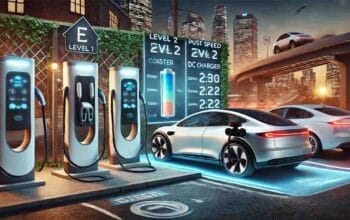
The widespread adoption of electric vehicles is contingent on the availability of charging infrastructure. While fast-charging stations are becoming more common, significant investment is still needed to develop a comprehensive network that can accommodate growing EV usage.
Table 2: Current EV Charging Infrastructure in the U.S.
| Year | Public Charging Stations | Fast Charging Stations |
|---|---|---|
| 2015 | 9,500 | 1,200 |
| 2018 | 25,000 | 4,000 |
| 2021 | 41,000 | 8,000 |
| 2023 | 63,000 | 14,000 |
Source: U.S. Department of Energy
3. Battery Recycling
As the number of electric vehicles on the road increases, the need for effective battery recycling solutions becomes more pressing. Developing efficient recycling methods can reduce environmental impact and recover valuable materials for reuse in new batteries.
Future Trends in Battery Technology
The future of battery technology is bright, with several trends poised to shape the electric vehicle landscape:
1. Research and Development
Ongoing research in battery chemistry, materials, and manufacturing processes will continue to yield innovations that enhance electric vehicle performance. Investments in R&D from automakers and tech companies are critical for driving this progress.
2. Second-Life Applications
As electric vehicle batteries age and their capacity diminishes, many can still serve valuable roles in energy storage systems. Second-life applications involve repurposing used EV batteries for grid storage, renewable energy integration, and backup power solutions, extending their lifespan and reducing waste.
3. Battery-as-a-Service (BaaS)
The concept of Battery-as-a-Service (BaaS) is gaining traction, allowing consumers to lease batteries instead of purchasing them outright. This model can lower the initial cost of electric vehicles, increase accessibility, and facilitate battery swapping for rapid charging.
Conclusion
Battery technology is a critical factor influencing electric vehicle performance. Advances in lithium-ion batteries, solid-state technology, and alternative chemistries are reshaping the automotive landscape, enabling longer ranges, faster charging, and improved safety.
However, challenges such as raw material supply, charging infrastructure, and recycling must be addressed to ensure sustainable growth in the EV market. As research and innovation continue, the future of battery technology holds great promise, driving the next generation of electric vehicles toward greater efficiency and environmental sustainability.