Wansagaf Indonesia (WIN) – In the vast world of vehicles, automotive parts are the unsung heroes that ensure smooth operation, safety, and overall performance. Whether you’re a car enthusiast, a mechanic, or simply a vehicle owner, understanding the importance of automotive parts can significantly impact your experience on the road.
The automotive industry in the United States has seen tremendous growth over the years, driven by technological advancements, an increase in consumer demand, and the rise of electric vehicles. In this comprehensive guide, we will explore the various types of automotive parts, their functions, sourcing options, and the importance of proper maintenance.
The Importance of Automotive Parts
Automotive parts serve a variety of functions essential to the overall operation of a vehicle. From the engine to the tires, each component plays a critical role. Understanding these parts and how they interact can help in making informed decisions about repairs, upgrades, and maintenance.
The U.S. automotive market is characterized by its diversity, with various manufacturers and models that require specific parts. With the rise of e-commerce, sourcing these parts has become more accessible, allowing consumers to find high-quality components for their vehicles.
Types of Automotive Parts
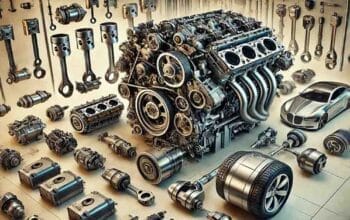
Engine Components
- The engine is often considered the heart of a vehicle. Essential parts such as pistons, crankshafts, camshafts, and timing belts work together to convert fuel into motion.
- Understanding how these parts function can help in diagnosing issues and ensuring optimal performance.
Transmission Parts
- The transmission is responsible for transferring power from the engine to the wheels. Key components include gears, clutches, and torque converters.
- A malfunction in any of these parts can lead to significant performance issues, making it crucial for vehicle owners to stay informed about their condition.
Suspension System
- A vehicle’s suspension system ensures a smooth ride by absorbing shocks and maintaining tire contact with the road. Key components include shock absorbers, struts, springs, and control arms.
- Regular maintenance of these parts is essential for safety and comfort.
Braking System
- The braking system is critical for vehicle safety. Parts such as brake pads, rotors, calipers, and brake lines must be regularly inspected and replaced as necessary.
- Understanding how these components work together can help in maintaining a safe driving experience.
Electrical System
- The electrical system powers essential features, including headlights, infotainment systems, and safety features. Key components include the battery, alternator, and wiring harnesses.
- Regular checks can prevent unexpected failures.
Exhaust System
- The exhaust system reduces harmful emissions and noise produced by the engine. Essential parts include the catalytic converter, muffler, and exhaust pipes.
- Keeping this system in good condition is crucial for environmental compliance and vehicle performance.
Body and Interior Parts
- While often overlooked, body and interior parts are vital for both aesthetics and functionality. Components like doors, windows, dashboards, and seats can affect a vehicle’s safety and comfort.
Sourcing Automotive Parts
With the growth of the internet, sourcing automotive parts has become easier than ever. Here are some popular options for obtaining the right parts for your vehicle:
OEM (Original Equipment Manufacturer) Parts
- OEM parts are manufactured by the vehicle’s original manufacturer and are often considered the highest quality. These parts are designed to fit perfectly and maintain the integrity of the vehicle.
Aftermarket Parts
- Aftermarket parts are produced by third-party manufacturers. While they can be more affordable, the quality and fit may vary. It’s essential to do thorough research and choose reputable brands.
Recycled Parts
- For those looking to save money and reduce waste, recycled parts can be an excellent option. Salvage yards often have a wide selection of used parts that are still in good condition.
Online Retailers
- E-commerce platforms like Amazon, eBay, and specialized automotive websites have made it easy to find a wide range of parts. However, it’s crucial to verify the seller’s reputation and read customer reviews before making a purchase.
The Role of Maintenance
Regular maintenance is key to prolonging the life of automotive parts and ensuring a vehicle’s optimal performance. Neglecting maintenance can lead to costly repairs and safety hazards. Here are some essential maintenance tips:
Regular Inspections
- Periodically inspecting key components like brakes, tires, and fluid levels can help identify issues early, preventing more significant problems down the line.
Scheduled Oil Changes
- Oil lubricates engine parts, reducing friction and wear. Following the manufacturer’s recommendations for oil changes is essential for engine longevity.
Tire Maintenance
- Regularly check tire pressure and tread depth. Rotating tires and ensuring proper alignment can enhance safety and improve fuel efficiency.
Brake Checks
- Given the critical nature of the braking system, regular checks of brake pads, rotors, and fluid levels can prevent potentially dangerous situations.
Battery Maintenance
- Check battery terminals for corrosion and ensure connections are tight. Testing the battery’s voltage can prevent unexpected breakdowns.
Common Issues with Automotive Parts
Even with proper maintenance, automotive parts can wear out or fail. Understanding common issues can help vehicle owners stay vigilant and proactive. Some frequent problems include:
Worn Brake Pads
- Over time, brake pads can wear down, leading to decreased stopping power and potentially damaging rotors.
Leaking Fluids
- Fluid leaks can indicate problems with gaskets, seals, or hoses. Identifying the source promptly can prevent more extensive damage.
Faulty Sensors
- Modern vehicles rely heavily on sensors to monitor various systems. A malfunctioning sensor can lead to performance issues and trigger warning lights.
Battery Failure
- Batteries have a limited lifespan. Signs of a failing battery include slow engine cranking and dimming headlights.
Tire Wear
- Uneven tire wear can indicate alignment issues or suspension problems. Regularly checking tire health is essential for safety.
The Future of Automotive Parts
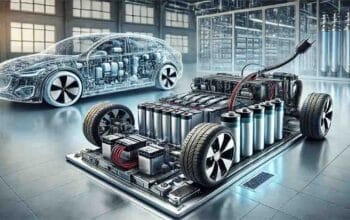
As the automotive industry continues to evolve, so do the parts that make up vehicles. The rise of electric vehicles (EVs) presents new challenges and opportunities in the automotive parts market. EVs have fewer moving parts and rely on entirely different components compared to traditional combustion engines.
This shift is prompting manufacturers to adapt and innovate, leading to new types of automotive parts specifically designed for electric vehicles.
Additionally, advancements in technology, such as 3D printing, are revolutionizing the way automotive parts are produced and sourced. This technology allows for the rapid prototyping of parts, reducing lead times and costs associated with manufacturing.
Conclusion
Understanding automotive parts is crucial for any vehicle owner or enthusiast. Knowledge of the various components, sourcing options, and maintenance practices can significantly enhance your driving experience.
By staying informed and proactive about your vehicle’s needs, you can ensure it remains safe, reliable, and efficient for years to come.